

Hunter Valley Wine Guide: What to Taste, Where to Go and How to Plan Your Visit
Hunter Valley wine is best known for Semillon and Shiraz, supported by one of Australia’s longest-established winemaking histories. Across the region, visitors can explore vineyards, cellar doors, boutique producers, guided wine tours and food-focused tasting experiences.
A Hunter Valley wine trip can vary considerably depending on where you go and how you choose to taste. Pokolbin has the largest concentration of cellar doors and visitor facilities, while areas such as Lovedale, Mount View, Broke Fordwich and Wollombi offer different wine trails and regional settings.
This guide explains the main Hunter Valley wine varieties, the key wine areas to explore and the different ways to plan a wine tasting experience.
What Makes Hunter Valley Wine Different?
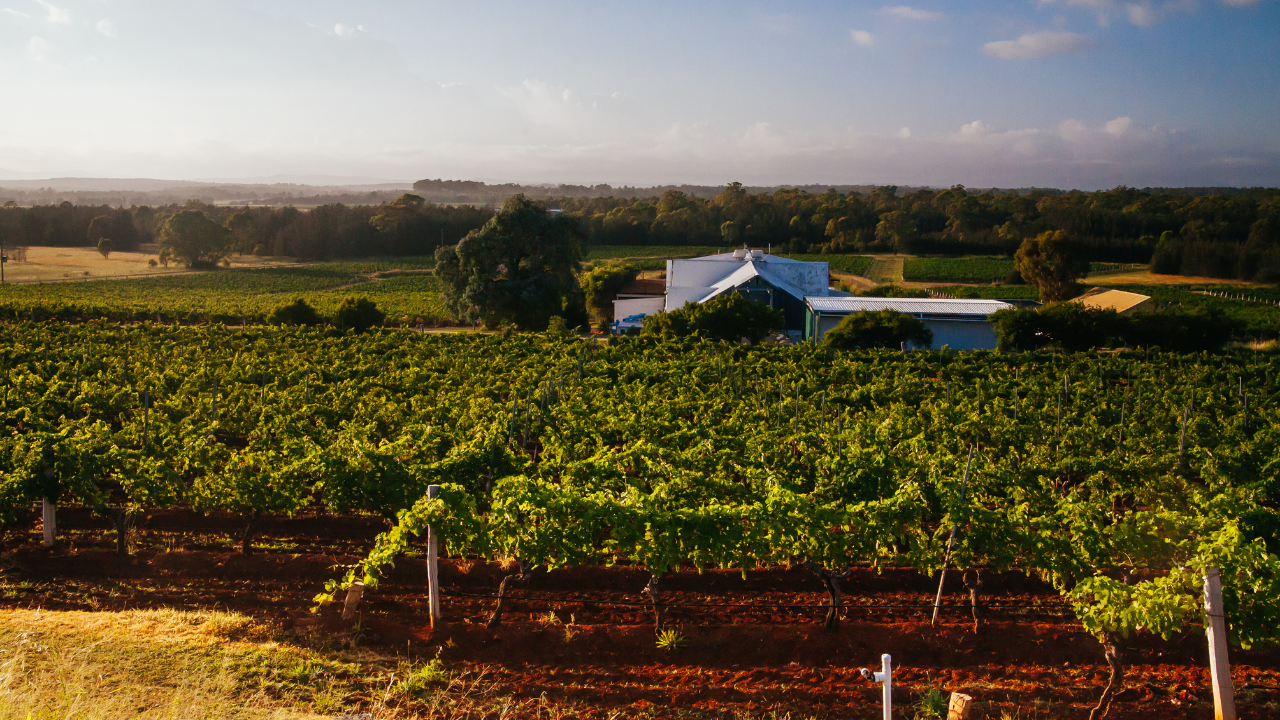
The Hunter Valley has a warm, humid growing climate influenced by rainfall, cloud cover and coastal weather systems. Vineyards are spread across different soils, elevations and growing conditions, creating variation between individual sites and wine areas.
The region is particularly recognised for two distinctive styles: Hunter Valley Semillon and Hunter Valley Shiraz.
Hunter Valley Semillon: Dry, light-bodied and high in acidity when young, developing toasted, honeyed and nutty notes with age.
Hunter Valley Shiraz: Medium-bodied and savoury, with a lighter style than many fuller Australian Shiraz wines.
Explore more about How Far is the Hunter Valley From Sydney?
What Wine Is the Hunter Valley Famous For?
Hunter Valley Semillon
Semillon is the wine most closely associated with the Hunter Valley. Young Hunter Valley Semillon is generally dry, light-bodied and high in acidity, with citrus characteristics such as lemon and lime. These wines are often released with minimal oak influence, allowing the variety and regional style to remain clear.
The wine is also known for its ability to develop with bottle age. Mature examples can show toast, honey and nutty characteristics while retaining acidity and structure.
Comparing a young Semillon with an aged release is one of the clearest ways to understand how Hunter Valley wine develops over time.
Hunter Valley Shiraz
Hunter Valley Shiraz is generally medium-bodied, savoury and lighter in structure than many fuller Australian Shiraz styles.
Depending on the producer, vineyard and vintage, the wine can show red and dark fruit, spice, earthy notes and fine tannins.
Ageing can add further complexity. Comparing different vintages or vineyard sites allows visitors to see how growing conditions, vineyard location and winemaking methods influence the final wine.
Hunter Valley Chardonnay
Chardonnay is one of the Hunter Valley’s established white wine varieties. Styles vary according to vineyard location and winemaking methods. Some examples focus on citrus, stone fruit and acidity, while others use oak and lees ageing to create greater texture and richness.
When tasting Hunter Valley Chardonnay, asking about fermentation and maturation can help explain differences in flavour, body and texture.
Hunter Valley Verdelho
Verdelho is another established white variety in the Hunter Valley. It is generally produced as a fruit-driven wine for earlier drinking, with citrus and tropical fruit characteristics.
For visitors who prefer aromatic and more fruit-forward white wines, Verdelho provides a different style from the lighter structure and ageing potential associated with Hunter Valley Semillon.
Alternative Wine Varieties in the Hunter Valley
Hunter Valley producers also work with varieties including Tempranillo, Barbera, Sangiovese, Vermentino and Albariño. These wines provide alternatives to the region’s traditional focus on Semillon, Shiraz and Chardonnay and are increasingly found across smaller and boutique producers.
Read more about Things to Do in Hunter Valley
Best Hunter Valley Wine Areas to Explore
Hunter Valley Wine Country includes several wine trails and subregions rather than one single cellar-door precinct. Pokolbin has the highest concentration of wineries, restaurants and visitor facilities. Lovedale, Hermitage Road, Mount View, Broke Fordwich and Wollombi provide additional wine routes across the region.
Choosing one main area for the day reduces unnecessary driving and allows more time at each winery.
Pokolbin
Pokolbin is the main centre of Hunter Valley Wine Country and contains one of the largest concentrations of Hunter Valley wineries, cellar doors and restaurants. It is the most straightforward starting point for first-time visitors who want several wine tasting options within one area.
Because of the number of venues, it is better to plan selectively. Two or three tastings combined with a winery lunch provide a more structured itinerary than moving quickly between a large number of cellar doors.
Lovedale
Lovedale combines wineries, restaurants and rural businesses across a broader area. The venues are more dispersed than in central Pokolbin, so travel time should be included when planning the day.
Lovedale is better approached as its own wine trail rather than added to a schedule that already includes several distant parts of the Hunter Valley.
Hermitage Road
Hermitage Road provides a defined route through part of Hunter Valley Wine Country, with wineries, accommodation and food experiences located along and around the road.
It allows visitors to build an itinerary around one concentrated route without travelling across several separate wine areas.
Mount View
Mount View is located along the Brokenback Range and includes boutique wineries and cellar doors across elevated terrain. The road network is less concentrated than central Pokolbin, so the area is best planned as a dedicated route rather than added between widely separated bookings.
Allow additional travel time between venues and confirm current tasting availability before visiting.
Broke Fordwich
Broke Fordwich is a recognised Hunter Valley wine subregion located west of central Pokolbin. The area includes boutique wineries and vineyards spread across a more dispersed rural setting.
Because of its distance from the main Pokolbin precinct, Broke Fordwich is best planned as a separate wine itinerary or combined only with nearby venues.
Wollombi
Wollombi combines a historic village with wineries and vineyards in the surrounding area. Because it is located away from the main Pokolbin cellar-door concentration, it is better planned as a separate regional drive rather than an additional stop on a tightly scheduled wine tasting day.
Visitors can combine local wine tasting with time in Wollombi village and the surrounding countryside.
How to Experience Hunter Valley Wine
The main Hunter Valley wine experiences differ in structure, level of guidance and transport requirements.
Cellar-Door Wine Tastings
A cellar-door tasting usually introduces visitors to several wines from one producer. Depending on the winery, tastings may be seated, guided or self-paced. This format allows visitors to compare varieties, vintages and different ranges from the same winery.
Check the winery’s current booking requirements, tasting fees and opening hours before visiting.
Boutique Wine Tastings
Smaller producers often offer a more focused wine range and may provide more detailed discussion about vineyards, vintages or production methods. These tastings are suited to visitors who want to explore wines beyond the largest Hunter Valley wineries.
Availability can be more limited, so advance booking is recommended where required.
Guided Hunter Valley Wine Tours
Guided wine tours combine transport with a pre-planned itinerary. This removes the need for one member of the group to drive between cellar doors and allows everyone in the group to participate in the tastings.
Tours vary in size and structure. Some focus entirely on wine, while others include cheese, chocolate, local produce or distillery stops.
Before booking, check the number of venues, group size, inclusions and pickup area.
Wine and Food Pairings
Wine and food pairings match selected wines with cheese, chocolate, regional produce or a prepared menu. These experiences demonstrate how acidity, sweetness, tannin and flavour interact with different foods.
They are suited to visitors who want a structured tasting with a stronger food component.
Winery Lunches
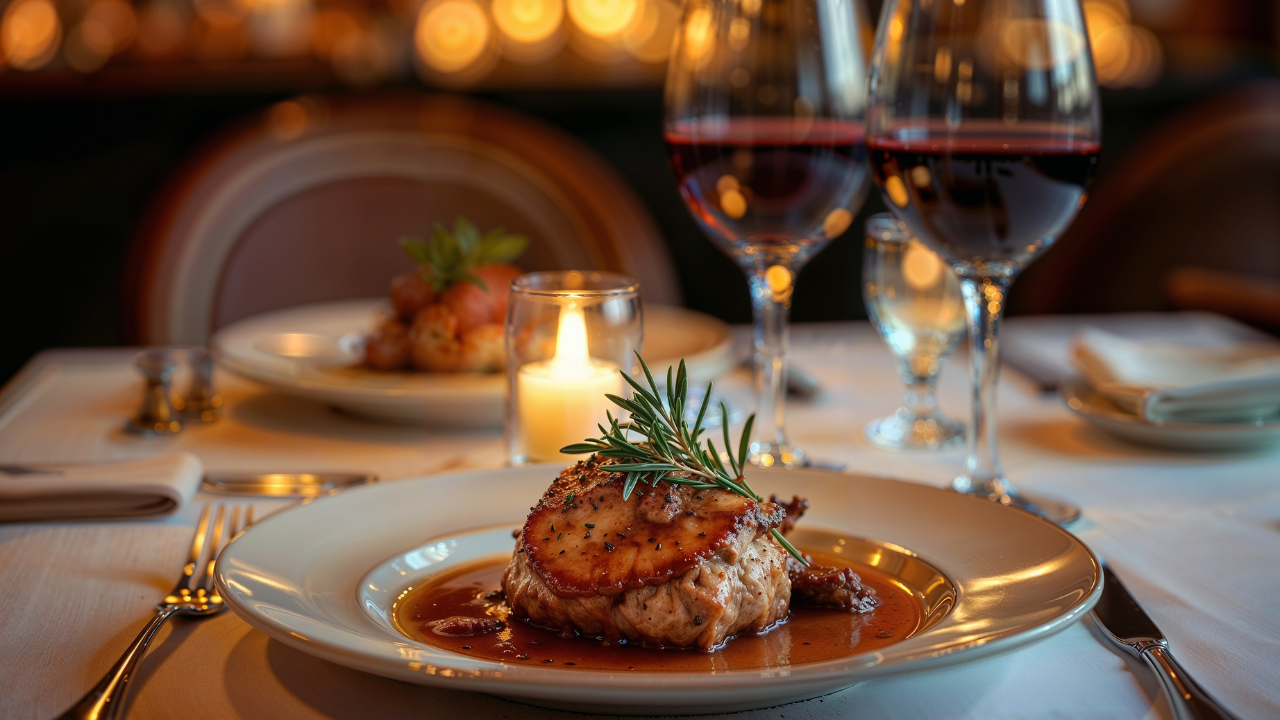
A winery lunch allows more time at one venue and reduces the number of separate bookings required during the day. This format works particularly well when the restaurant offers wines produced on the property or a menu designed around local and regional wine.
Bookings are recommended, particularly on weekends and during major Hunter Valley events.
Private Wine Tastings
A private wine tasting brings the experience to a selected venue or accommodation. This removes the need to travel between cellar doors and allows the group to complete the tasting in one location.
It is particularly relevant for couples, families and groups where all guests want to participate without arranging a designated driver.
How to Plan a Hunter Valley Wine Tasting Day
A well-planned Hunter Valley wine itinerary should account for tasting duration, travel time, meals and transport.
Choose One Main Wine Area
Avoid scheduling tastings across several distant parts of the Hunter Valley in one day. Select one main area, such as Pokolbin, Lovedale, Mount View or Broke Fordwich, and build the itinerary around nearby wineries.
This reduces driving time and lowers the risk of arriving late for booked tastings.
Limit the Number of Wine Tastings
Two or three formal tastings are enough for many one-day itineraries, particularly when combined with lunch. A larger number of bookings reduces time at each winery and increases the amount of travel required.
Include Time for Lunch
Schedule lunch or another substantial food stop between wine tastings. A winery restaurant, local restaurant or pre-booked food experience provides a clear break in the itinerary and reduces the need to add another separate stop.
Organise Wine Tour Transport in Advance
Visitors planning to drink should organise transport before the tasting day. Options include a guided Hunter Valley wine tour, private driver or pre-arranged transfer. Do not rely on last-minute transport availability when several booked tastings are scheduled.
Check Winery Booking Conditions
Hunter Valley cellar doors have different opening hours, tasting formats, group limits and booking policies. Check current information directly with each winery before travelling, especially for weekends, public holidays and larger groups.
Private Hunter Valley Wine Tasting at Wallaringa Farm
Guests staying at Wallaringa Farm can arrange a private wine and cheese tasting hosted at the property by Stay n Sip. The experience includes a guided tasting of seven wines selected from boutique cellar doors and private collections. The wines are served with local cheeses, honeycomb and chocolates, and dinner catering can also be arranged.
Because the tasting takes place at the accommodation, guests do not need to travel to another venue or organise return transport after the session. This provides an alternative to a full day of Hunter Valley cellar-door visits for couples, families and groups staying at Wallaringa Farm.
Stay at Wallaringa Farm During a Hunter Valley Wine Trip
Wallaringa Farm provides accommodation near Dungog within the wider Hunter Valley region. Its location is different from accommodation in central wine areas such as Pokolbin. Guests can use the property as a base for selected day trips and combine those outings with experiences arranged at the farm.
Available add-on experiences include the private wine and cheese tasting, grazing boards and catered dining options. For visitors who want wine to form part of the trip without structuring every day around cellar-door visits, Wallaringa Farm provides a way to combine selected Hunter Valley wine experiences with time at the accommodation.
FAQs About Hunter Valley Wine
-
The Hunter Valley is best known for Semillon and Shiraz. Chardonnay and Verdelho are also established wine varieties in the region.
-
Hunter Valley Semillon is generally dry, light-bodied and high in acidity when young. With bottle age, it can develop toasted, honeyed and nutty characteristics.
-
Classic Hunter Valley Semillon is generally dry. Some producers may also make other styles, so check the individual wine before tasting or purchasing.
-
The main wine areas include Pokolbin, Lovedale, Hermitage Road, Mount View, Broke Fordwich and Wollombi. Each area has a different mix of wineries, cellar doors and visitor facilities.
-
Pokolbin is the most straightforward starting point for first-time visitors because it has a high concentration of cellar doors, restaurants and wine experiences.
